 Save
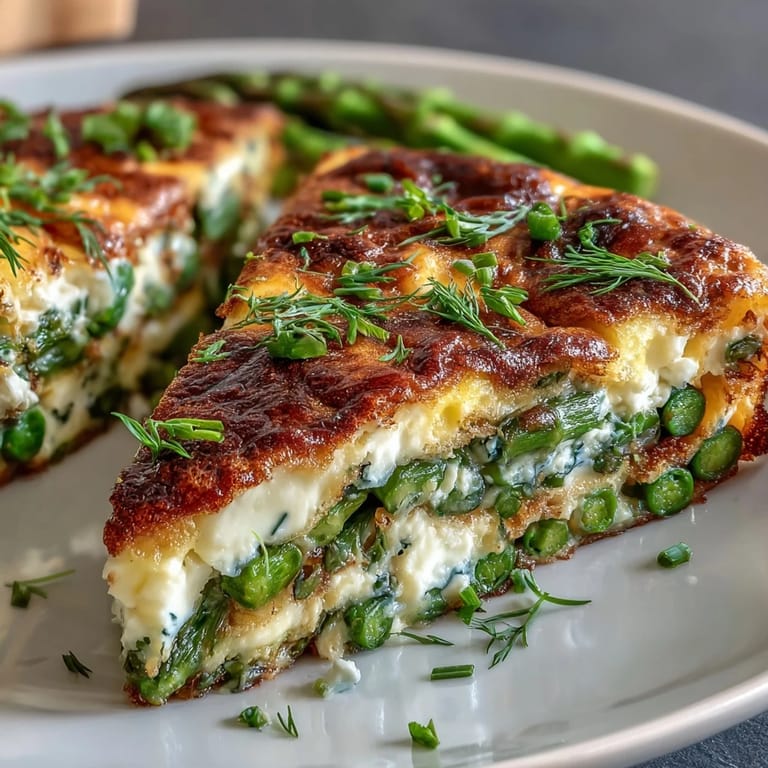
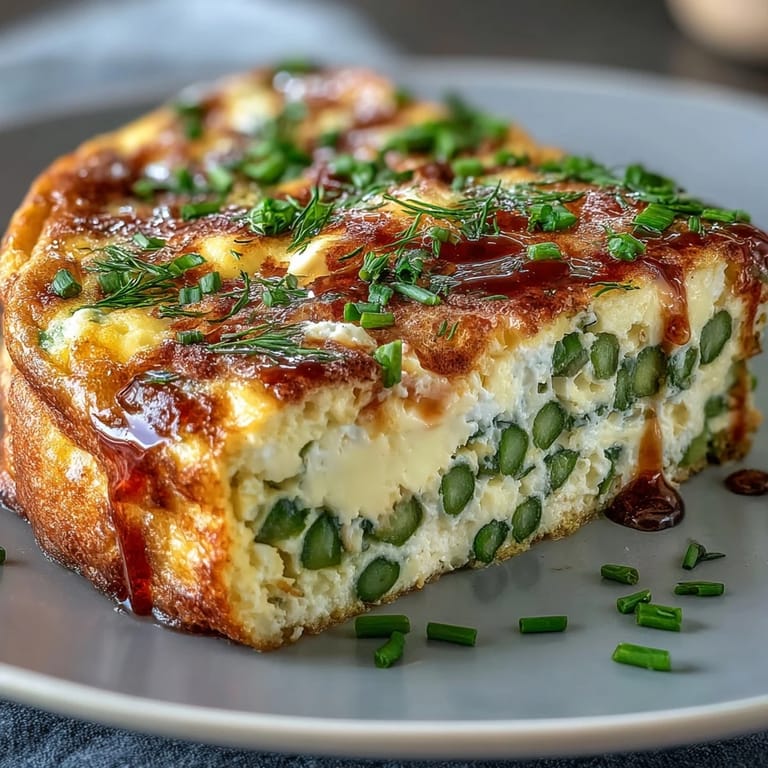
Save One morning, the sunlight spilled through my kitchen window and danced across a bundle of asparagus on the counter. As I chopped the vegetables, the smell of fresh herbs mingled with buttery warmth felt like a gentle invitation to linger. There was no rush—just the quiet sounds of eggs whisking and peas tumbling into a bowl, each ingredient a small celebration of spring. Sometimes, a recipe becomes an excuse to pause and soak up the moment. The Spring Frittata with Asparagus, Peas, and Goat Cheese is one of those dishes that brings the season right to your plate.
Last spring, my cousin dropped by unexpectedly with a bouquet of herbs and a hungry smile. We ended up making this frittata together—she whisked the eggs while I sprinkled chives, and we laughed over how goat cheese crumbles never stay neat. By the time it came out of the oven, the kitchen felt like a garden party and neither of us wanted to leave the table.
Ingredients
- Asparagus: Trimmed and cut into 1-inch pieces, their crisp texture is key to a truly vibrant bite—fresh, firm stalks really shine.
- Peas: Whether fresh or frozen, peas add subtle sweetness that balances the dish; I like to let frozen ones thaw first for easier cooking.
- Baby Spinach: Chopped gently, spinach melts into the frittata and gives it an earthy undertone that keeps things light.
- Spring Onions: Thin slices bring just the right amount of sharpness and color; use both white and green parts for extra flavor.
- Eggs: 8 large eggs make the foundation—fresh eggs whisk to a golden, fluffy base.
- Whole Milk or Cream: Only a little is needed to make the frittata soft and creamy; full-fat milk makes it richer but doesn't overwhelm.
- Goat Cheese: Crumbled goat cheese adds tang and creaminess—let it come to room temperature for easier crumbling.
- Unsalted Butter: Butter gives a luxurious start to cooking the veggies; be careful not to brown it.
- Fresh Chives: Their mild onion flavor lifts the dish; chop them fine to distribute evenly.
- Fresh Dill or Parsley: Fresh herbs, chopped at the last minute, brighten the taste and aroma.
- Salt and Black Pepper: Seasoning is essential—taste as you go to avoid overseasoning.
Tired of Takeout? 🥡
Get 10 meals you can make faster than delivery arrives. Seriously.
One email. No spam. Unsubscribe anytime.
Instructions
- Get Ready:
- Set the oven to 375°F (190°C) and gather your tools; you'll want everything in arm's reach for a smooth process.
- Sauté the Veggies:
- Melt butter in an oven-safe skillet over medium heat; add asparagus and let them sizzle for two minutes, then toss peas and onions in, stirring until their colors pop and scents fill the air.
- Add the Greens:
- Stir in chopped spinach until wilted, watching the leaves soften and shrink, releasing a fresh aroma.
- Prepare the Egg Mixture:
- In a big bowl, whisk eggs with milk, chives, dill or parsley, salt, and pepper, creating a pale yellow blend flecked with green; try to keep the mixture airy for the fluffiest results.
- Combine Everything:
- Pour the egg mixture over the veggies and let it cook undisturbed for 3-4 minutes so the edges set up while the center stays soft.
- Layer on the Goat Cheese:
- Sprinkle crumbled goat cheese across the frittata; the aroma melds beautifully as it warms on the eggs.
- Bake to Perfection:
- Transfer the skillet to the oven and bake for 10-12 minutes, watching for a gentle puff and just-set center.
- Finish and Serve:
- Let it cool for five minutes; then slice and serve while still warm or bring to room temperature for laid-back gatherings.
 Save
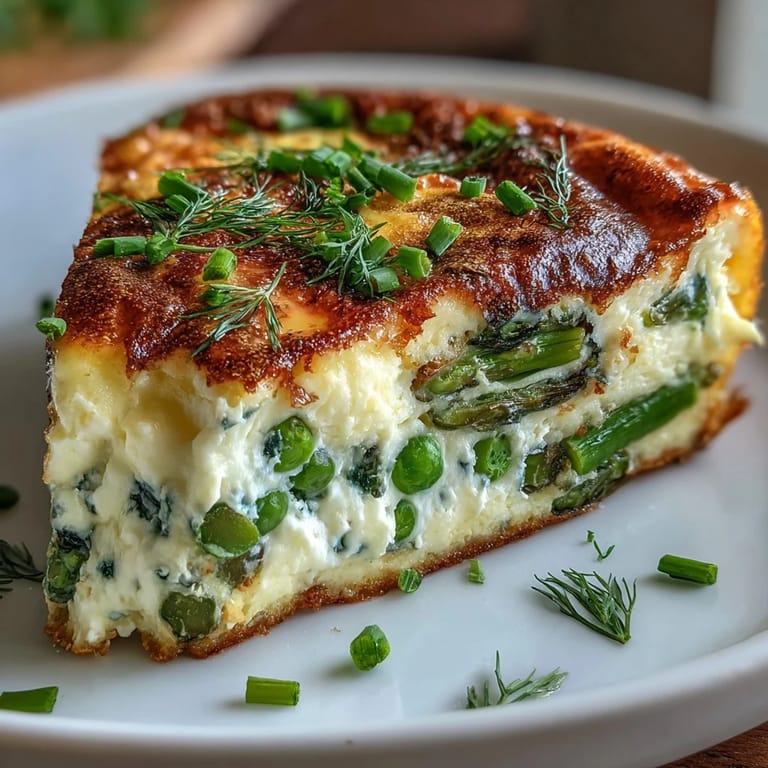
Save Later that same afternoon, a friend arrived, drawn in by the bright aromas wafting through the hallway. We sat with big slices of frittata, each forkful a reminder that food, even something simple, can turn ordinary conversations into little celebrations. Spring became more than a season—it became a memory shared with every bite.
Swapping In Extra Veggies
When the local market is overflowing with fresh zucchini or fava beans, don't hesitate to substitute or mix them in. The frittata is forgiving—as long as you cook the veggies to tender-crisp first, nothing feels out of place. Try slicing zucchini thin so they cook quickly, or blanch fava beans for a silky texture. This is a perfect recipe to use whatever green things you have on hand.
Choosing Your Dairy
I once ran out of cream and tried yogurt instead; the result was tangy and still light, proving that dairy swaps can be playful. Plant-based options work, too—my neighbor's almond milk added a subtle nutty note. Goat cheese is wonderfully creamy, but if dairy is off the table, vegan cheese makes a solid substitute without overwhelming the herbs. The key is to stay flexible and trust your palate.
Perfecting the Texture
Overcooking is the enemy of a good frittata—watch for gentle puffing and just-set eggs to avoid rubberiness. Letting the skillet rest after baking makes slicing a breeze and keeps the center moist. Gentle heat and patience are really all you need for that delicate finish.
- If using frozen peas, thaw them first to prevent watery results.
- Room temperature eggs whisk more smoothly and bake evenly.
- Always use a nonstick skillet for easy serving and neat slices.
 Save
Save This frittata will brighten your table and your day. Making it together always feels like sharing the best parts of spring.
Recipe Questions & Answers
- → Can I use frozen peas for this dish?
Yes, frozen peas work well—just add them directly to the skillet and cook until bright and tender.
- → What herbs pair best with the frittata?
Fresh chives, dill, or parsley add a vibrant spring flavor. Customize with herbs like basil or mint if desired.
- → Is goat cheese essential or can I use another cheese?
Goat cheese offers creaminess, but feta or ricotta make excellent substitutes for a similar texture and flavor profile.
- → How should the frittata be served?
Slices are best served warm or at room temperature, paired with salad, bread, or sparkling water with lemon.
- → Can I make this dish dairy-free?
Yes, use plant-based milk and omit cheese or substitute with vegan cheese for a dairy-free option.
- → What size skillet is recommended?
A 10–12 inch oven-safe nonstick skillet gives the ideal thickness and even cooking for this preparation.