 Save
Save A coworker once brought turmeric cauliflower rice to a potluck, and I watched everyone gravitating toward it instead of the traditional sides—that golden color and the way it smelled like warmth and spice made me understand why. I started making it the following week, partly out of curiosity and partly because I wanted to figure out what made something so simple feel almost luxurious. Now it sits on my table at least twice a week, sometimes as a quiet weeknight dinner base, sometimes as the unexpected star of a meal with friends who didn't think they'd enjoy cauliflower at all.
I remember making this for my sister's book club night when she asked what could possibly replace rice for someone watching their carbs. Two hours later, someone was asking for the recipe, and another guest was genuinely surprised it wasn't actual rice. That moment shifted how I thought about side dishes—they could be thoughtful and healthful without announcing themselves loudly.
Ingredients
- 1 medium head cauliflower (about 600 g), cut into florets: Fresh cauliflower has a slight sweetness that turmeric plays beautifully against, and cutting it into florets first makes the processor work easier and more even.
- 1 small onion, finely chopped: This becomes almost translucent and mellows into the background, adding sweetness and depth without being assertive.
- 2 cloves garlic, minced: Two cloves is restrained enough to complement rather than overpower the turmeric's delicate warmth.
- 1 tablespoon olive oil or coconut oil: Use whichever you have; olive oil keeps it brighter and lighter, while coconut oil adds a subtle nuttiness that works especially well with cumin.
- 1 teaspoon ground turmeric: This is the soul of the dish—fresh turmeric powder makes a noticeable difference in brightness and earthiness compared to older spice jars.
- 1/2 teaspoon ground cumin: Cumin ties the turmeric together and brings a warmth that feels almost comforting, like someone just put a blanket around your shoulders.
- 1/4 teaspoon ground black pepper: Freshly ground makes a real difference here; pre-ground tastes flat by comparison.
- 1/2 teaspoon sea salt, or to taste: Sea salt dissolves more evenly than table salt and tastes cleaner.
- Pinch of red chili flakes (optional): Add this only if you want a whisper of heat that arrives at the end of each bite.
- 2 tablespoons chopped fresh cilantro or parsley: Fresh herbs wake everything up at the last moment—parsley is milder if cilantro feels too polarizing for your table.
- Juice of 1/2 lemon: This squeeze of acid cuts through the earthiness and keeps the dish from feeling heavy.
Tired of Takeout? 🥡
Get 10 meals you can make faster than delivery arrives. Seriously.
One email. No spam. Unsubscribe anytime.
Instructions
- Rice your cauliflower:
- Place florets in a food processor and pulse until it resembles rice grains—work in batches if your processor feels crowded, which keeps the texture more consistent. You want some texture variation, not a mushy paste.
- Start the aromatics:
- Heat oil in a large skillet over medium heat and add your chopped onion, letting it soften and turn translucent over two to three minutes. This creates the flavor foundation for everything that follows.
- Build with garlic:
- Add minced garlic and cook just until fragrant, maybe thirty seconds—you're not browning it, just waking it up. The moment you smell that garlic hitting the warm oil is your signal to move forward.
- Toast the spices:
- Stir in turmeric, cumin, black pepper, and chili flakes if using, cooking for about a minute until the spices become fragrant and slightly toasted. This step transforms raw spice powder into something warm and integrated.
- Add the cauliflower rice:
- Pour in your riced cauliflower along with salt, stirring well so every grain gets coated with those golden spices. This is the moment where everything comes together visually and aromatically.
- Cook with intention:
- Stir occasionally over five to seven minutes until the cauliflower is tender but still holds its shape—you want it cooked through, not dissolving into mush. The skillet will start releasing a gentle steam when it's nearly ready.
- Finish bright:
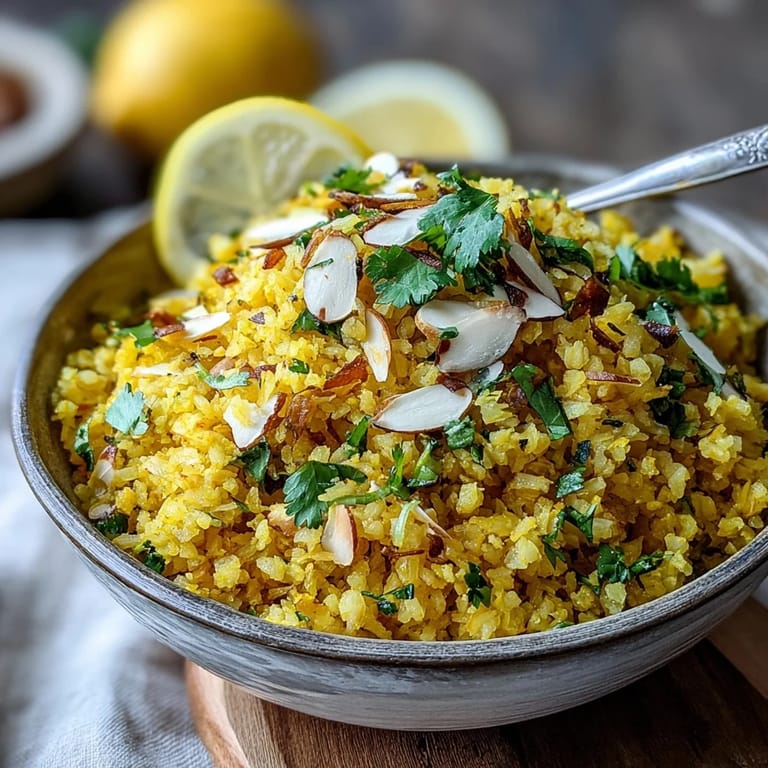
- Remove from heat, squeeze lemon juice over everything, and toss with fresh cilantro or parsley. Taste and adjust salt if needed before serving warm.
 Save
Save There was an evening when my son, who usually pushes vegetables to the side of his plate, asked for a second helping of this dish and wanted to know what made it taste like that. He couldn't identify the turmeric specifically, but he felt something different—something almost ceremonial about the color and spice combination. It became a small victory in our kitchen, the kind where nobody's fighting about vegetables and everyone just enjoys eating together.
How to Make This Your Own
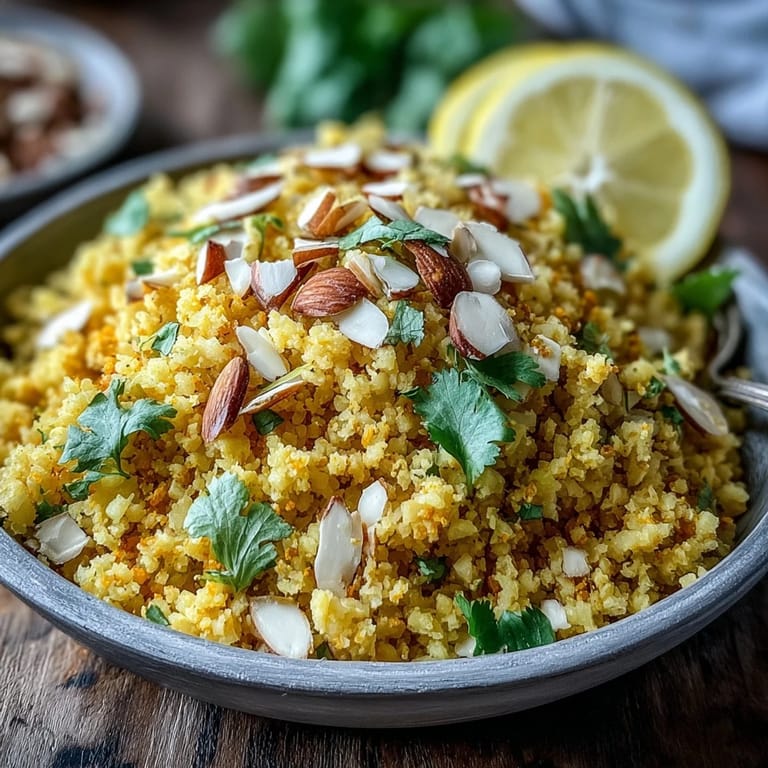
The beauty of this dish is that it invites customization without losing its identity. I've added everything from diced bell peppers to a handful of frozen peas, each addition bringing its own color and texture into the mix. Toasted slivered almonds add a nuttiness that transforms it into something richer, and once I even added a splash of coconut milk at the very end, which made it almost creamy without any heaviness.
Serving Ideas That Actually Work
This dish becomes something different depending on what you serve it with, and that's part of its quiet magic. Under a pile of curry, it becomes the perfect backdrop for bold flavors; next to grilled chicken or fish, it's the light, thoughtful side that makes the meal feel complete. I've even spooned leftovers cold onto salads the next day, and the turmeric flavor deepens and mellows in a way that actually improves overnight.
Storage and Make-Ahead Wisdom
This keeps beautifully in the refrigerator for three days, which means you can make it in advance and reheat it gently in a skillet with a splash of water if it's dried out. The flavors actually become more cohesive after sitting for a few hours, so making it the morning of dinner is a quiet luxury. You can even prepare the riced cauliflower and have your spices measured out the night before, leaving only the quick cooking for dinner time.
- Reheat gently over medium-low heat with a tablespoon of water to restore moisture without turning it mushy.
- The lemon juice and fresh herbs should be added right before serving to keep them bright and intentional.
- Leftovers work beautifully in grain bowls, wrapped in lettuce leaves, or served alongside anything that needs a light, flavorful foundation.
 Save
Save This recipe has become the dish I make when I want something that feels nourishing without being heavy, colorful without being loud, and delicious without requiring hours of my time. It's become something I reach for not because I have to, but because I genuinely want to.
Recipe Questions & Answers
- → How do I rice cauliflower without a food processor?
Use a box grater with the medium holes to grate cauliflower florets into rice-sized pieces. Alternatively, chop florets finely with a sharp knife, working in small batches for even results.
- → Can I make this ahead of time?
Yes, prepare the riced cauliflower up to 3 days in advance and store in an airtight container. Cook just before serving, as the texture is best when fresh. Reheat gently in a skillet with a splash of water.
- → What other spices work well in this dish?
Garam masala, coriander, or curry powder add depth. Fresh ginger complements the turmeric beautifully, while a pinch of cinnamon provides subtle warmth. Adjust spices to suit your taste preferences.
- → How do I prevent the cauliflower from becoming mushy?
Avoid overcooking—stir frequently and cook just until tender, about 5-7 minutes. Work in batches if your skillet is small to ensure even heating without steaming the cauliflower.
- → What proteins pair well with this dish?
Grilled chicken, roasted salmon, tofu, or lentils complement the flavors beautifully. It also works as a base for curry dishes or alongside grilled vegetables for a complete meal.
- → Can I freeze this dish?
Freeze cooked portions in freezer-safe containers for up to 2 months. Thaw overnight in the refrigerator and reheat in a skillet to restore texture. Add fresh herbs and lemon after reheating.