 Save
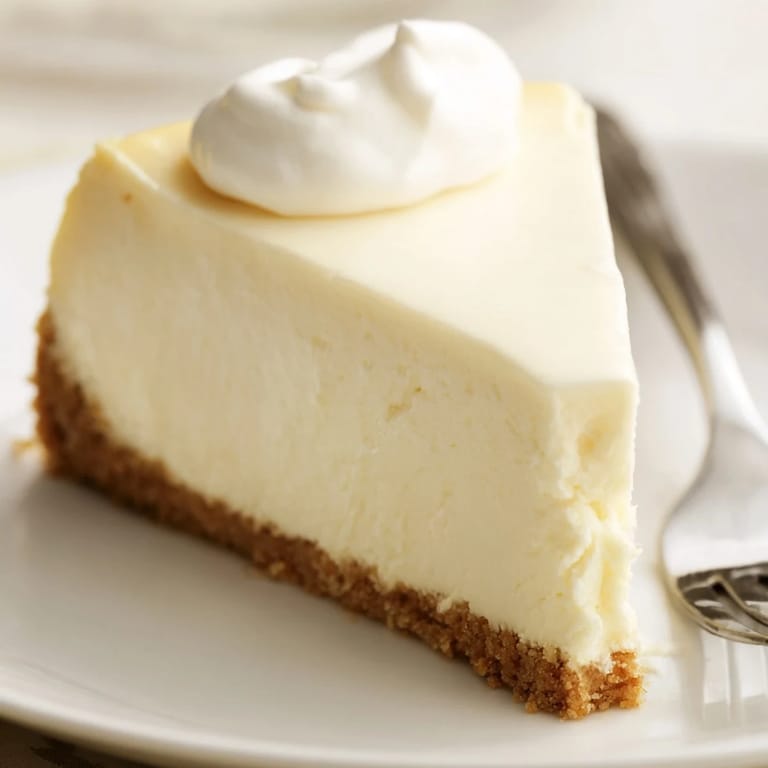
Save There's nothing quite like a classic New York Cheesecake. Famous for its dense, smooth, and creamy texture, this dessert is a true showstopper. Baked to golden perfection atop a buttery graham cracker crust, each bite is a rich, tangy, and utterly indulgent experience. This recipe guides you through creating that iconic, bakery-quality cheesecake right in your own kitchen.
Save The secret to a flawless New York Cheesecake lies in the details. Using room temperature ingredients ensures a lump-free batter, while the gentle heat of a water bath prevents the dreaded cracks. Patience is key, especially during the slow cooling process, but the reward is a perfectly set, luxuriously creamy dessert that's well worth the wait.
Ingredients
Tired of Takeout? 🥡
Get 10 meals you can make faster than delivery arrives. Seriously.
One email. No spam. Unsubscribe anytime.
- For the Crust
- 200 g (2 cups) graham cracker crumbs
- 100 g (7 tbsp) unsalted butter, melted
- 2 tbsp granulated sugar
- Pinch of salt
- For the Filling
- 900 g (2 lbs) full-fat cream cheese, at room temperature
- 200 g (1 cup) granulated sugar
- 240 ml (1 cup) sour cream, at room temperature
- 3 large eggs, at room temperature
- 1 tbsp cornstarch
- 2 tsp pure vanilla extract
- 1 tbsp fresh lemon juice
- 1/4 tsp salt
- For the Topping (optional)
- 240 ml (1 cup) sour cream
- 2 tbsp powdered sugar
- 1/2 tsp vanilla extract
Instructions
- Step 1
- Preheat your oven to 160°C (325°F). Grease a 23 cm (9-inch) springform pan and line the base with parchment paper.
- Step 2
- In a bowl, combine graham cracker crumbs, melted butter, sugar, and a pinch of salt. Mix until the texture resembles wet sand.
- Step 3
- Press the mixture firmly into the bottom of the prepared pan. Bake for 10 minutes, then set aside to cool slightly.
- Step 4
- In a large mixing bowl, beat the cream cheese until smooth and creamy, about 2 minutes. Add sugar and continue beating until well combined.
- Step 5
- Mix in sour cream, vanilla, lemon juice, cornstarch, and salt until just incorporated.
- Step 6
- Add eggs one at a time, mixing on low speed and scraping the bowl after each addition. Do not overmix.
- Step 7
- Pour the filling over the cooled crust and smooth the top with a spatula.
- Step 8
- Place the pan in a larger roasting pan and pour hot water into the outer pan to create a water bath, reaching halfway up the sides of the springform pan.
- Step 9
- Bake for 55–65 minutes, until the edges are set but the center still jiggles slightly.
- Step 10
- Turn off the oven, crack the door open, and let the cheesecake cool in the oven for 1 hour.
- Step 11
- Remove from the oven, run a knife around the edge, and let cool to room temperature. Refrigerate for at least 6 hours or overnight.
- Step 12
- For the topping (optional): Mix sour cream, powdered sugar, and vanilla. Spread over the chilled cheesecake.
- Step 13
- Slice with a hot, clean knife and serve.
Zusatztipps für die Zubereitung
For best results, use room temperature ingredients. This is crucial for achieving a smooth, lump-free filling and preventing cracks.
Varianten und Anpassungen
Add fresh berries or a fruit compote for a vibrant garnish. For a chocolate variation, you can swirl melted chocolate into the filling before baking to create a beautiful marbled effect.
Serviervorschläge
This cheesecake is delightful on its own, but it also pairs beautifully with a late harvest Riesling or a strong, hot coffee to complement its rich flavor.
 Save
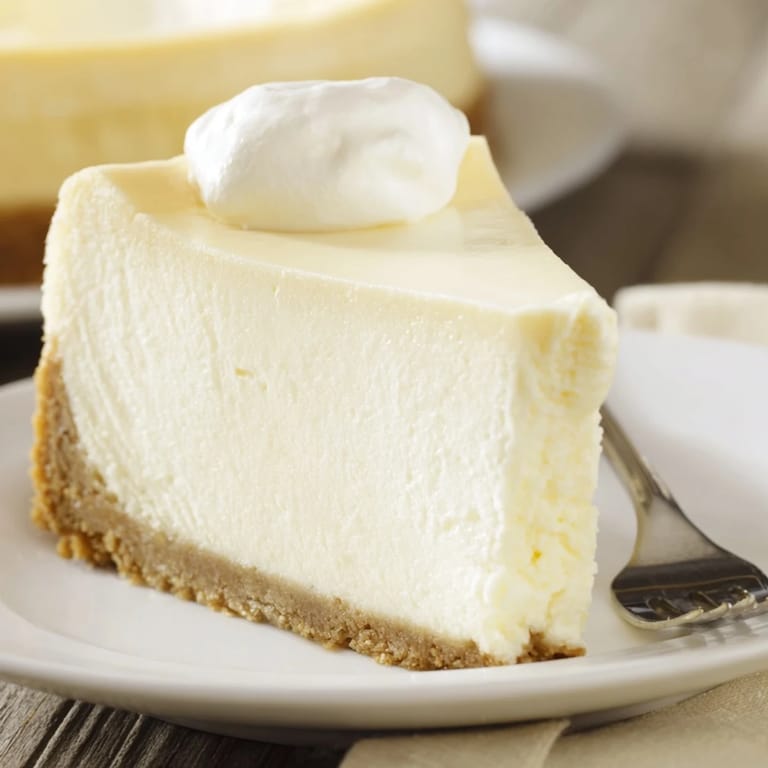
Save Slicing into your homemade cheesecake after it has chilled to perfection is a moment of pure satisfaction. Serve it plain to appreciate its classic flavor, or top it with the optional sour cream topping for an extra layer of tangy sweetness. Enjoy every decadent slice!
Recipe Questions & Answers
- → Why must all ingredients be at room temperature?
Room temperature ingredients blend smoothly without lumps, ensuring a silky, homogeneous filling. Cold cream cheese creates pockets that lead to an uneven texture, while cold eggs can seize when mixed into the batter.
- → What is the purpose of the water bath?
The water bath creates gentle, humid heat that prevents cracking and promotes even baking. This method ensures the edges don't overcook while the center sets properly, resulting in that signature creamy texture.
- → How long should the cheesecake chill before serving?
Refrigerate for at least 6 hours, though overnight chilling yields the best results. This resting period allows flavors to develop and the texture to fully set for clean, professional slices.
- → Can I substitute the graham cracker crust?
Absolutely. Digestive biscuits, vanilla wafers, or even crushed shortbread cookies work beautifully. For a gluten-free version, use certified gluten-free cookies or a nut-based crust with almond or pecan meal.
- → Why does my cheesecake sometimes crack on top?
Cracking typically occurs from overmixing (which incorporates too much air), overbaking, or cooling too rapidly. Using a water bath, turning off the oven with the door ajar, and avoiding excessive mixing helps prevent surface cracks.
- → How do I know when the cheesecake is done baking?
The edges should be set and slightly puffy, while the center retains a gentle jiggle like gelatin. The residual heat will finish setting the center during the cooling period. Avoid the toothpick test as it creates holes.