 Save
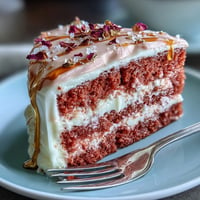
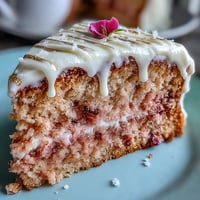
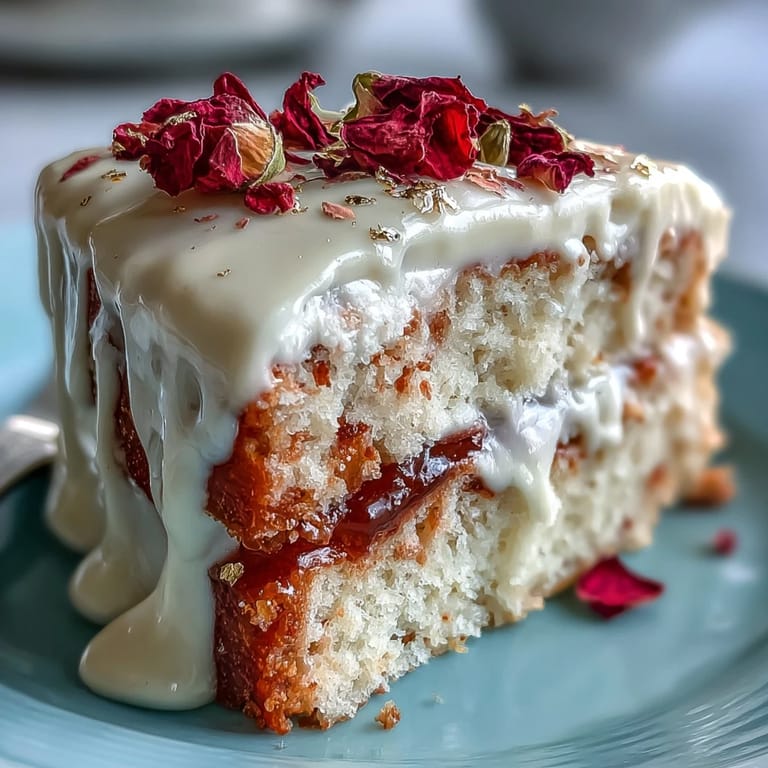
Save The first time I gathered the nerve to bake this Rosé Velvet Cake, it was the soft pop of a chilled wine cork and the faintest swirl of pink-tinted batter that made me pause—the kitchen felt suddenly lighter, almost celebratory, even though the only occasion was a drizzly Sunday. That distinctive floral aroma from the rosé floated above the mixer, making everything seem more festive than my flour-dusted apron would suggest. Instead of a sea of white vanilla sponge, the pale blush of the cake layers turned out exactly as I’d hoped: elegant, not gaudy. These little luxuries—edible gold, a luscious cream cheese sweep—are the sort of flourishes I reserve for showering a friend with love, or simply impressing myself. Eventually, the ritual of brushing gold onto cooled drips turned into the kind of quiet therapy I didn’t know I needed.
Not long ago, I made this cake for my cousin’s bridal shower, when the whole house buzzed with voices and laughter and a vase of dewy peonies sat in the window. I remember nearly forgetting to set aside time for the gold drip, distracted by champagne glasses and music, but when I finally stood at the counter painting the glimmering finish, I caught the bride-to-be sneaking a peek and grinning at the spectacle. That brief moment—shared only in glances and a little kitchen chaos—turned the cake from decoration into memory. There were crumbs on the floor, pink fingerprints on the fridge, and frosting swiped from every bowl. I wouldn’t trade those tiny unplanned moments for flawless frosting any day.
Ingredients
- All-purpose flour: Gives the cake its sturdy, yet tender crumb—sift for the lightest texture.
- Cornstarch: Softens the flour’s strength for a classic, velvety bite; don’t skip this even if you’re tempted.
- Unsweetened cocoa powder: Just enough to create depth—not a chocolate cake, but adds richness; Dutch-process gives a smoother hue.
- Baking soda: Ensures a fluffy rise; measure precisely for even layers.
- Salt: Balances the sweetness and sharpens the wine’s floral notes—a little goes a long way.
- Unsalted butter: The backbone of both cake and frosting; room temperature ensures it creams easily and captures air for height.
- Granulated sugar & light brown sugar: Combination brings both sweetness and a subtle caramel undertone; pack the brown sugar to avoid dry spots.
- Eggs: Add richness and bind everything together; make sure they’re at room temp so the batter doesn’t split.
- Rosé wine: Brings subtle berry notes and a blushing pink crumb—choose a fruity bottle you’d enjoy sipping.
- Buttermilk: Makes every bite tender; a crucial balance to the rosé’s acidity.
- Vanilla extract: Deepens the flavor and rounds out the floral notes—you’ll notice if it’s missing.
- Pink gel food coloring (optional): For an extra pop of pink if you crave a bolder color; a tiny drop does the trick.
- Cream cheese: The key to a tangy-smooth frosting—always fully soften before beating for silkiness.
- Confectioners’ sugar: Sifted for a lighter, lump-free frosting; taste after four cups and add more if you prefer it sweeter.
- White chocolate chips: Melt into a glossy, neutral canvas for the gold drip; heat gently to avoid seizing.
- Heavy cream: Turns the chocolate into smooth, pourable ganache; cold cream can cause the chocolate to seize, so let it warm slightly.
- Edible gold luster dust & clear vodka/lemon extract: Just a brush transforms the drip into celebration; vodka evaporates cleanly, leaving only shimmer.
- Edible flowers/gold leaf (optional): Adds a sweetly dramatic finishing touch—use sparingly for elegance.
Tired of Takeout? 🥡
Get 10 meals you can make faster than delivery arrives. Seriously.
One email. No spam. Unsubscribe anytime.
Instructions
- Get Everything Ready:
- Preheat your oven to 350°F (175°C) while you grease and line three 8-inch cake pans; the parchment should hug the pans to coax out clean cakes later.
- Sift Dry Ingredients:
- In a medium bowl, sift flour, cornstarch, cocoa powder, baking soda, and salt together—the cocoa dust rises up pleasingly, mingling with the wine’s soon-to-be aroma.
- Cream Butter and Sugars:
- Using an electric mixer, beat the butter, granulated sugar, and brown sugar on medium until it looks pale and airy, 3–4 minutes; it’s done when it fluffs up and leaves clear trails in the bowl.
- Add Eggs and Vanilla:
- Crack eggs in one at a time, incorporating each before adding the next; the batter might look slightly curdled but smooths out with patience, especially when the vanilla goes in.
- Combine Rosé and Buttermilk:
- Stir together rosé wine and buttermilk in a separate jug; the scent will make you want to sip (go ahead if you have extra).
- Mix It All Together:
- With the mixer on low, alternate adding the flour mixture and rosé-buttermilk to the butter base, beginning and ending with flour—add the pink gel coloring now, a dot at a time, until it blushes just so.
- Bake the Layers:
- Divide the rosy batter among your pans, smoothing the tops lightly; bake 28–32 minutes until a toothpick comes out clean with just a few crumbs attached.
- Cool Completely:
- Let cakes cool in pans 10 minutes, then turn them onto a wire rack—the patience here prevents soggy bottoms.
- Whip Up the Frosting:
- Beat together cream cheese and butter until satiny, then slowly add confectioners’ sugar, vanilla, and a pinch of salt until irresistibly fluffy; don’t be afraid to sneak a taste.
- Assemble the Cake:
- Layer with frosting between each cake round, then sweep frosting around the outside—use an offset spatula for smoothness, but don’t sweat imperfect swirls.
- Let It Chill:
- Chill the stacked cake for 30 minutes; this way it firms up and the gold drip settles perfectly later.
- Make the Gold Drip:
- In a heatproof bowl over simmering water, gently melt white chocolate chips and heavy cream, stirring until glossy—let it cool a bit, then spoon the ganache around the top edge, allowing drips to cascade down the sides.
- Add the Gold Finish:
- Once the drip sets in the fridge, combine gold luster dust with a drop or two of vodka or lemon extract to create paint; use a small clean brush to gild each drip—magically, it transforms the whole cake.
- Decorate and Celebrate:
- Finish with edible flowers or gold leaf if you’re feeling extra; stand back and admire before slicing into the soft pink cake.
 Save
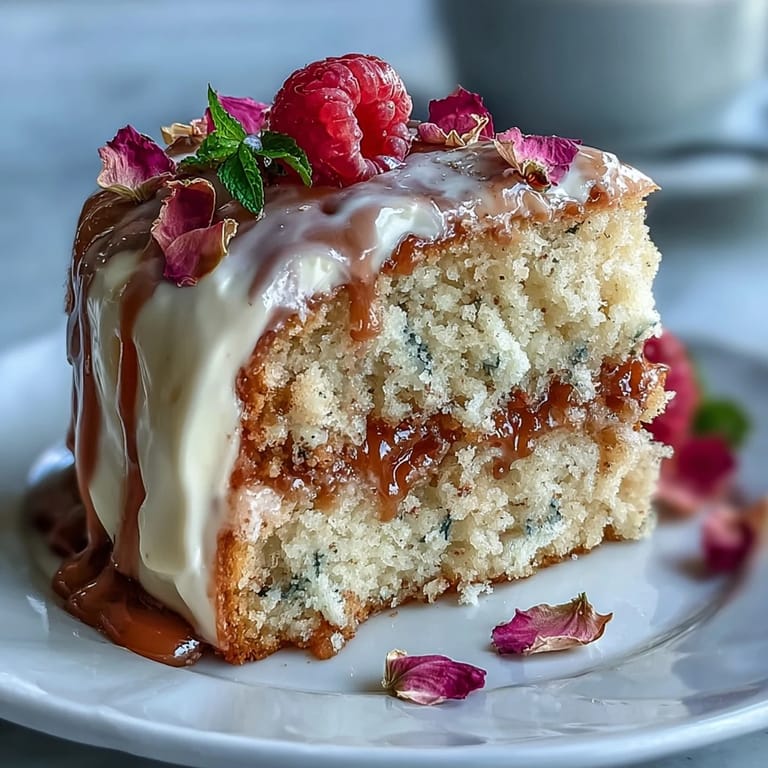
Save I’ll never forget the look on my friend’s face when she cut into her bridal shower cake to find rosy layers and gold shimmer—the gasp, the clapping, and the eventual chorus of forks scraping plates. From then on, this cake was more than a recipe: it became a landmark for our circle’s happiest toasts.
What Makes the Gold Drip So Special
Brushing edible gold onto the cooled chocolate drip doesn’t just turn the cake into a visual centerpiece, it somehow turns the process into a celebration all its own. The moment the metallic sheen catches the light, people always want to know how you did it—few believe it’s as simple as brushing on luster dust. I once caught my nephew inspecting a slice during a birthday tea, convinced it was real treasure hidden on the plate. It’s those whimsical touches that nudge a party from sweet to unforgettable.
My Troubleshooting Tips for Stress-Free Baking
After a few impatient runs, I learned to pay attention to the cake’s resting time: a warm cake will melt frosting, but too long in a cold fridge can make the layers dry. If your gold drip ever comes out runny, cool the ganache a bit more before letting it fall down the cake—colder drip equals tidier finish. I keep a damp towel nearby for wiping up food coloring splatters—those pink streaks get everywhere! Practice spooning the drip on a piece of parchment before braving the cake itself for an extra confidence boost.
Party Presentation and Serving Ideas
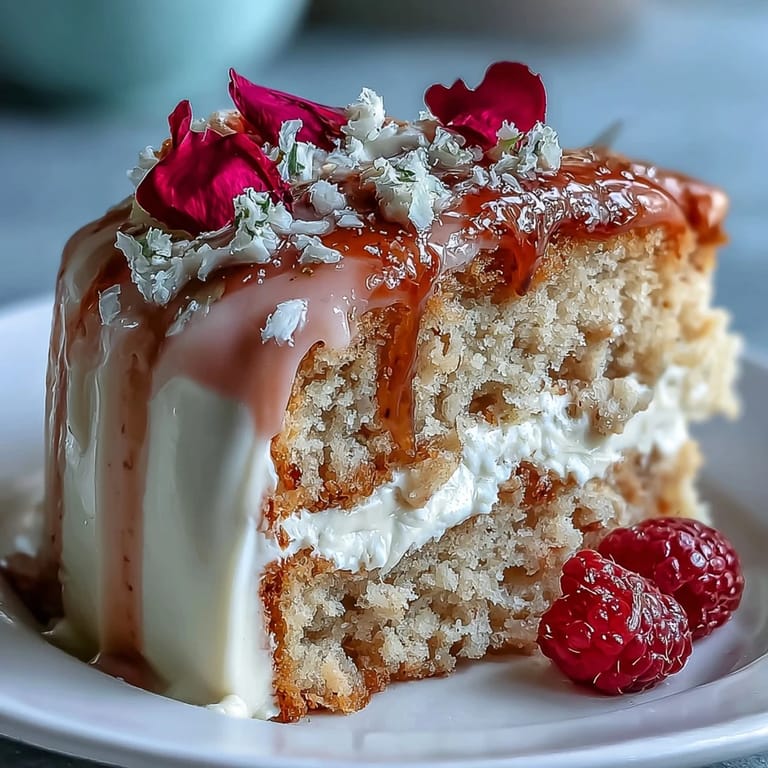
This cake somehow makes every table look set for royalty, but the flavor never overshadows more delicate fare like cucumber sandwiches or fruit salad. For a seasonal flourish, scatter edible rose petals or delicate berries on top—they add instant romance and a little tang that balances the sweetness. Portion with a hot knife for smoother slices, wiping clean between cuts. If you’re feeling playful, arrange individual slices on vintage dessert plates just before serving for a delightfully decadent display.
- Let frosting come to room temperature if made ahead.
- A rotating cake stand can really help you get those sides smooth.
- Chill the brush between gold coats for an extra-sharp shine.
 Save
Save I hope this Rosé Velvet Cake becomes a deserving centerpiece at your own celebration—big or small. With every slice, may you savor both the flavor and the sparkle.
Recipe Questions & Answers
- → Can I make a non-alcoholic version?
Yes. Substitute rosé with pink grape juice or sparkling cider. Those swaps keep the color and fruity notes; you may reduce other liquid slightly if the batter seems too loose.
- → How can I achieve an even pink hue without excess coloring?
Rely on the rosé for a subtle blush and add a small amount of pink gel or a pinch of beet powder. Add color gradually and mix until you reach the desired shade.
- → How do I keep cream cheese frosting stable while decorating?
Beat cream cheese and butter until smooth but cool; chill the frosting briefly if it becomes too soft. Assemble the cake and refrigerate for at least 30 minutes before piping or adding the drip.
- → What temperature should the ganache be for a controlled gold drip?
Warm ganache should be pourable but not hot—thick enough to hold a slow drip. Let it cool slightly off the heat before applying, and work on a chilled cake so drips set quickly.
- → When should I apply the edible gold paint?
Allow the white chocolate drip to set fully in the fridge, then mix gold luster dust with a few drops of vodka or lemon extract and gently brush the drips for a clean metallic finish.
- → Can I prepare components in advance?
Yes. Bake and cool layers a day ahead and wrap tightly. Make the frosting and store chilled. Prepare ganache and gold paint on the day of decorating for the best sheen.